A Trip to Japan 2023

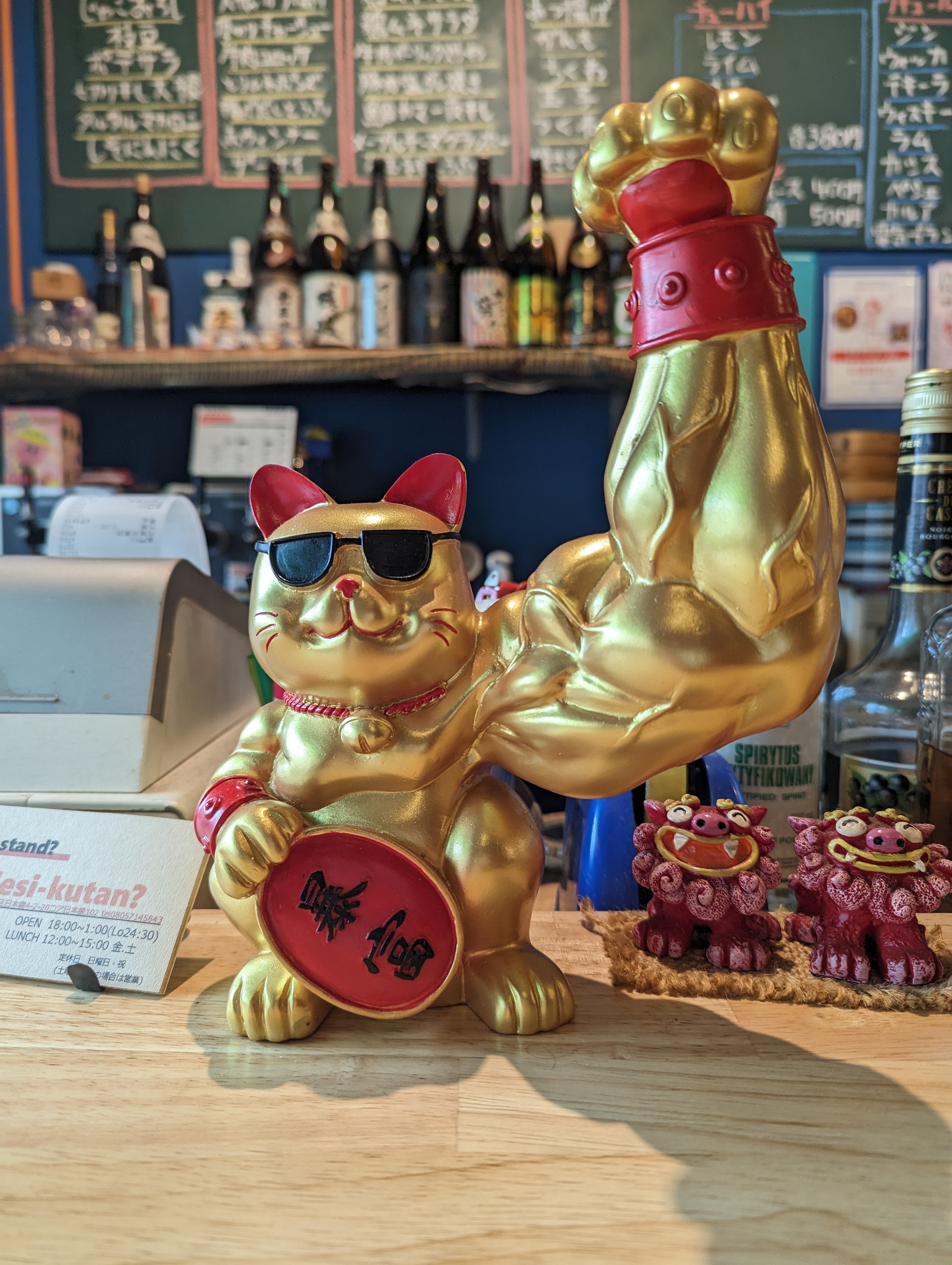
With a ticket snagged on a whim due to an irresistible deal, I eagerly set out to craft a loose itinerary, blending cultural immersion with adrenaline-pumping sports spectacles. With three events set in stone - a stand-up comedy show and a day watching Sumo at Kokugikan to start the trip in Tokyo and ending with a base in Nagoya to travel easily to the Suzuka Circuit to enjoy the F1 race weekend, I embarked on my impromptu journey to Japan, hoping to be able to snag a ticket to a sold-out baseball game at Koshien stadium sometime during the two weeks I'd be in this lovely country.
Connecting through Atlanta, racing against time with only thirty minutes to catch my flight and boarding with the very last group of people in the terminal, I endured a long sleepless flight to Tokyo's Haneda airport.
This whirlwind trip marks my fourth visit to this enchanting land of ancient traditions and modern marvels, but after the very long flight and a trip through customs and immigration, I found myself headed straight for my hotel, grabbing a quick snack at the convenience store located within and heading directly thereafter to my room to catch up on rest and prepare for the weeks ahead.
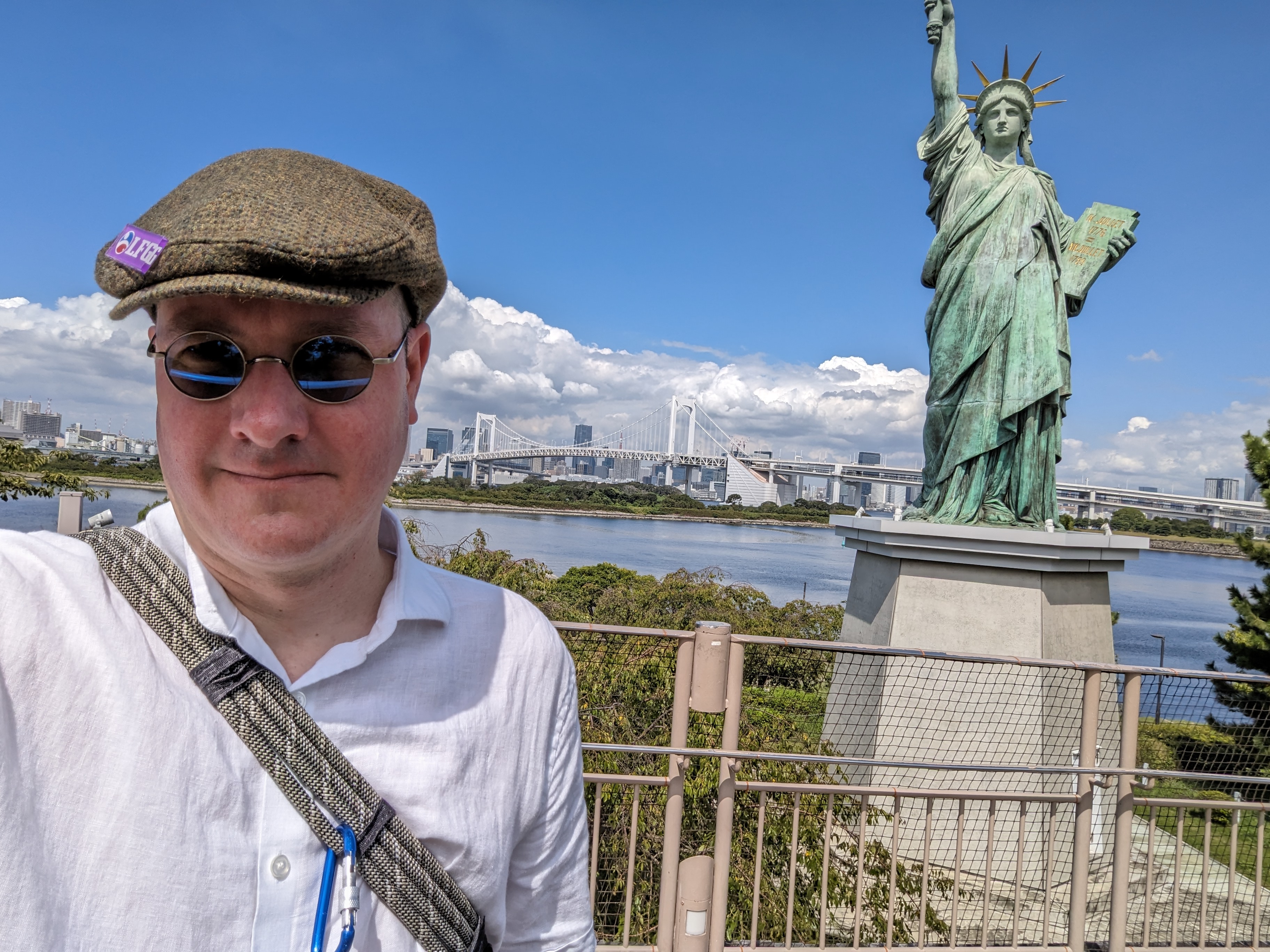
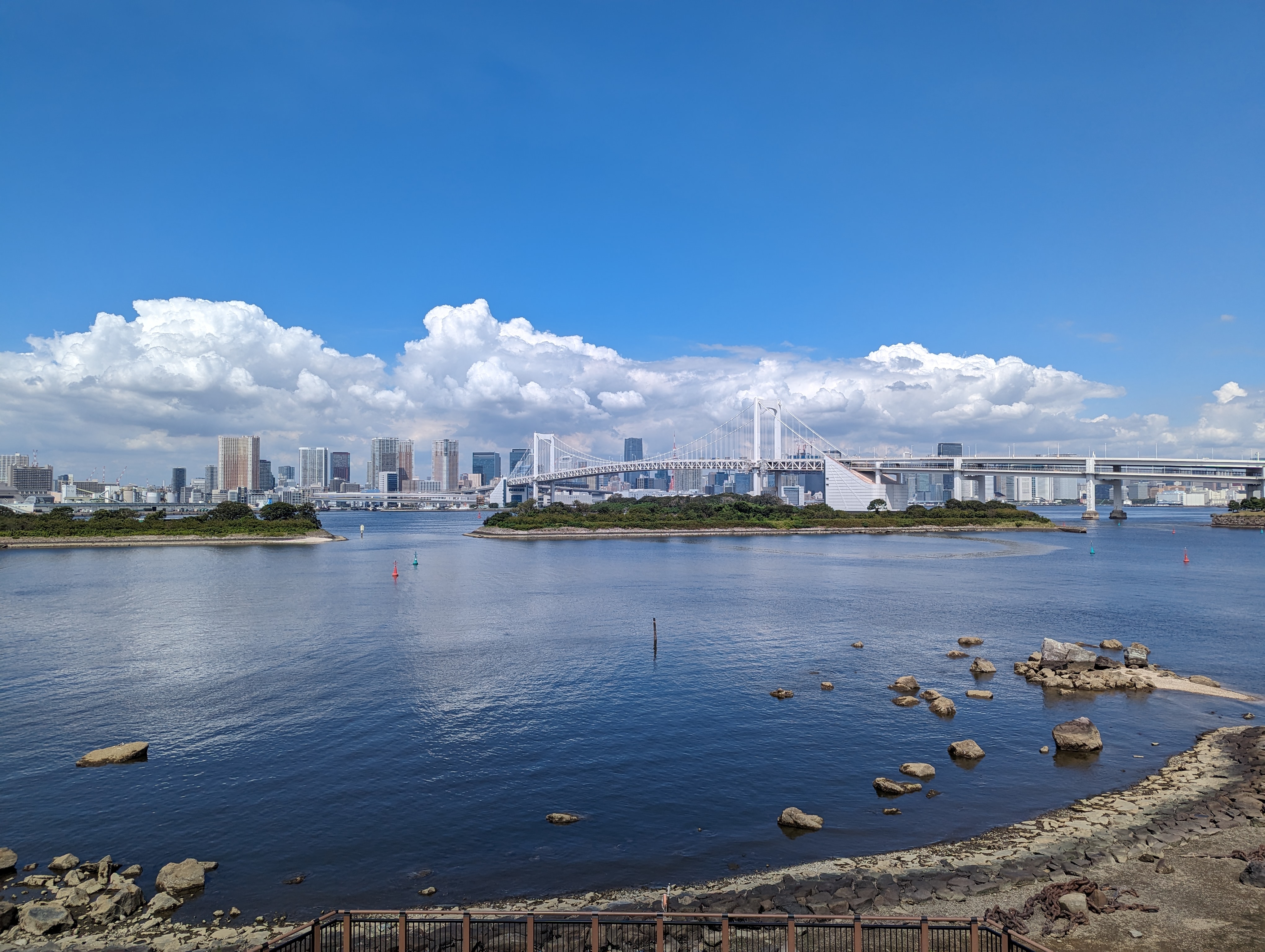
Of course I had no plans for day one, given the uncertainty of jet lag, I went to Odaiba, a place I always go to. To see the Statue of Liberty replica and to walk around the island's various stores, paths and other scenery. Alas, the jet lag caught up with me and so it was a quick Onigiri lunch and back to the hotel for a quick nap before heading to the stand-up comedy show.
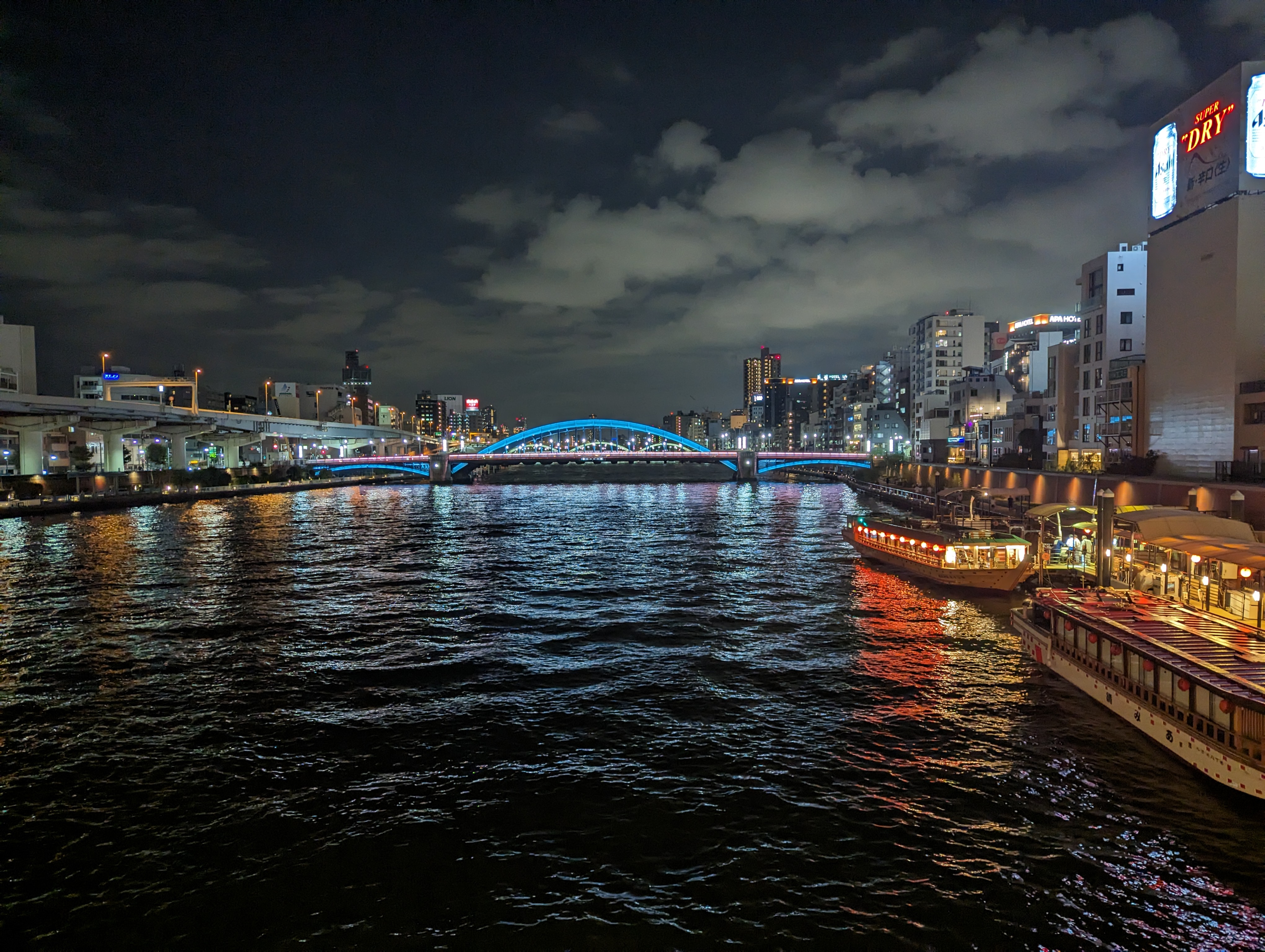
The stand-up comedy show, starring Meshida, a popular Japanese YouTuber, was held at the Asakusa Smile Bar & Cafe, next to the picturesque Sumida river near the Azuma bridge. The opening acts included comedy from the MC, Juice, and Karate Comic Ryo. It's interesting to see an eastern take on western stand-up. I wonder if Netflix's Comedians of the World specials includes Japan. The show began and ended with a meet and greet in the cafe. The other attendees represented the US, UK, Europe and Australia and it was fantastic to hear why people came to Japan and what their unique interests were.
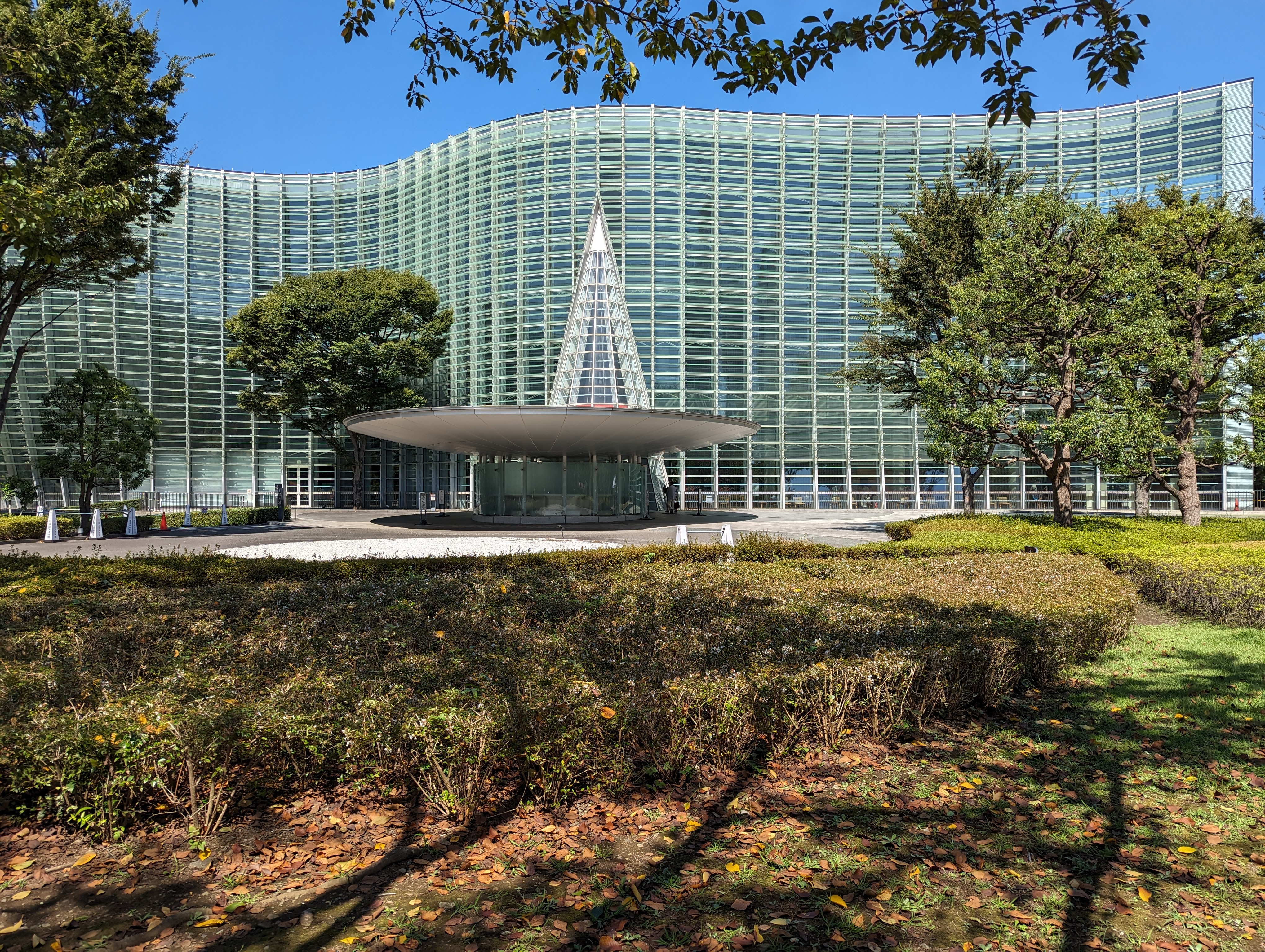
On the second real day of my journey into Tokyo, where the echoes of ancient rituals mingle seamlessly with the pulse of contemporary life as I visited the National Art Center. Notable for its architecture and it being featured as the filing location for the Osaka Continental in John Wick 4, a film I watched on the flight over. I was able to catch the featured exhibit, "Light", on loan from the Tate museum. What a fantastic way to begin truly exploring Tokyo.
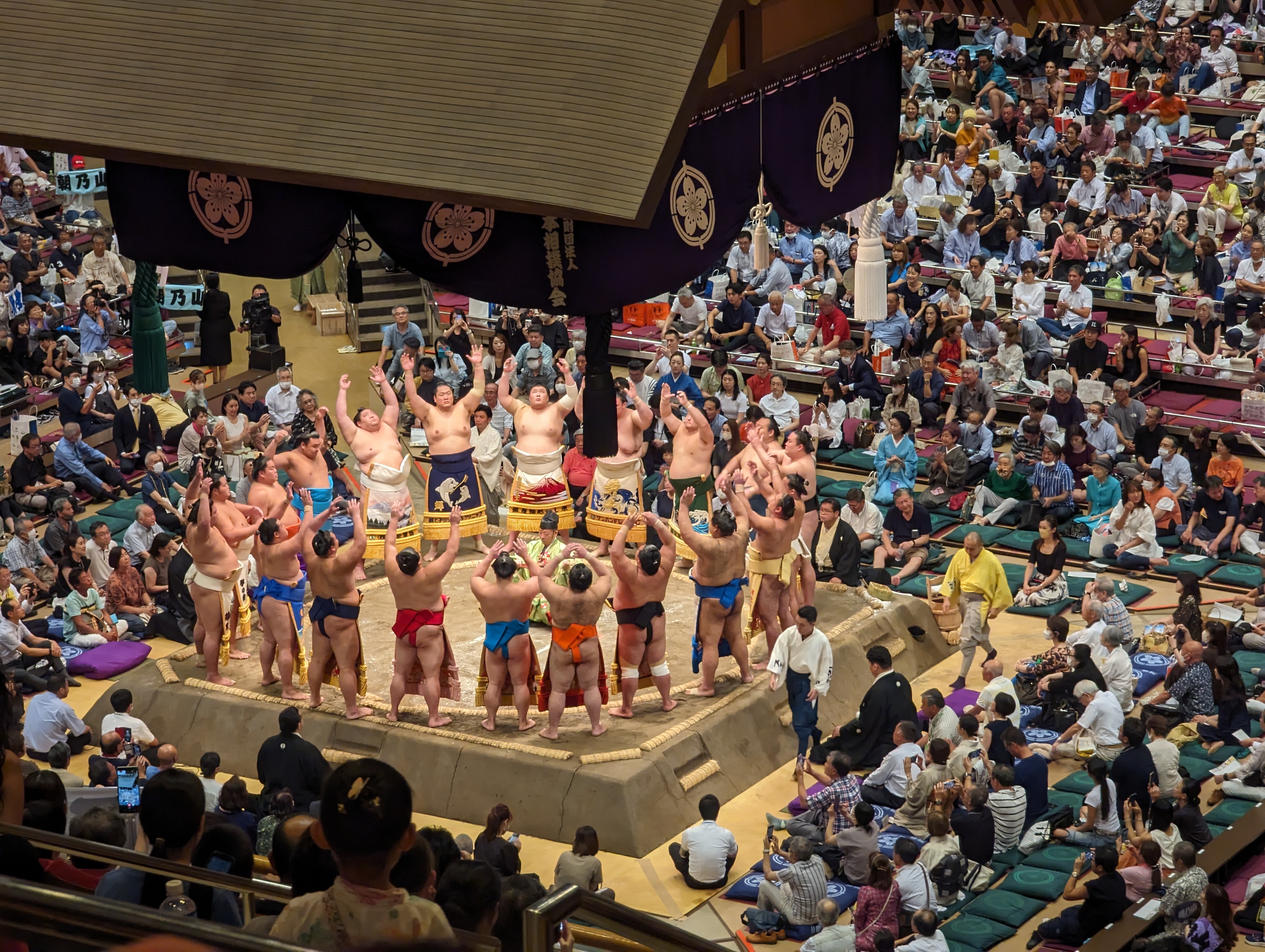
But now we get to the highlight of my stay this trip! A seat for a mesmerizing day at the sold-out fall Sumo tournament. Witnessing the raw power and finesse of these colossal athletes was an experience that transcended the boundaries of mere sport, offering a profound insight into Japan's rich cultural heritage. It was a side of Japanese fandom that I've rarely seen, the energy of the rikishi inspiring the energy of their fans loudly cheering them on from the stands. My only regret is that my favorite rikishi, Enho Akira in the Juryo league, was again absent for this tournament due his long treatment for a herniated disc in his neck. That aside, what a great tournament. As I had time throughout the rest of the trip, I watched video of the following matches.
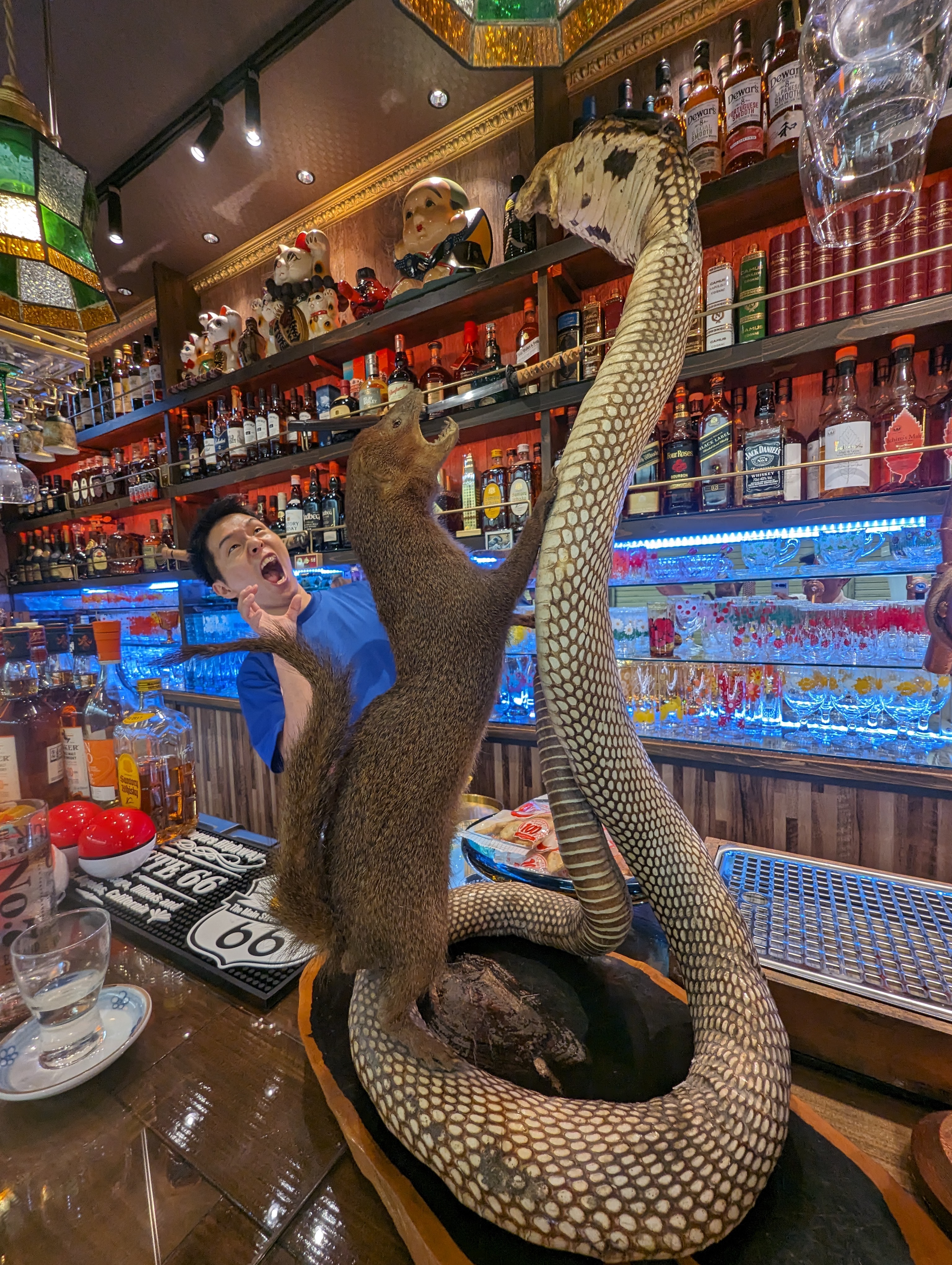
And so it was I found myself on my way to Tokyo Station to continue my journey on the Hikari shinkansen from Tokyo Station to Osaka, I found myself with some time to spare before I could check into my hotel. Eager to soak in the local scene, I stumbled upon an extraordinary collection of bars, all nestled under the welcoming umbrella of "1969". Each establishment exuded its own unique charm, from a Showa-era izakaya, to an intimate bar and even a whiskey bar that appeals to my interests. It was a delightful introduction to Osaka's culture. I fell so in love with this place that I returned every day they were open during my stay. The staff were wonderful - I hope I made good friends with them and plan to return someday soon. "1969" has a great story as well, a family of 13 siblings and their parents living their dream lives of amazing hospitality.
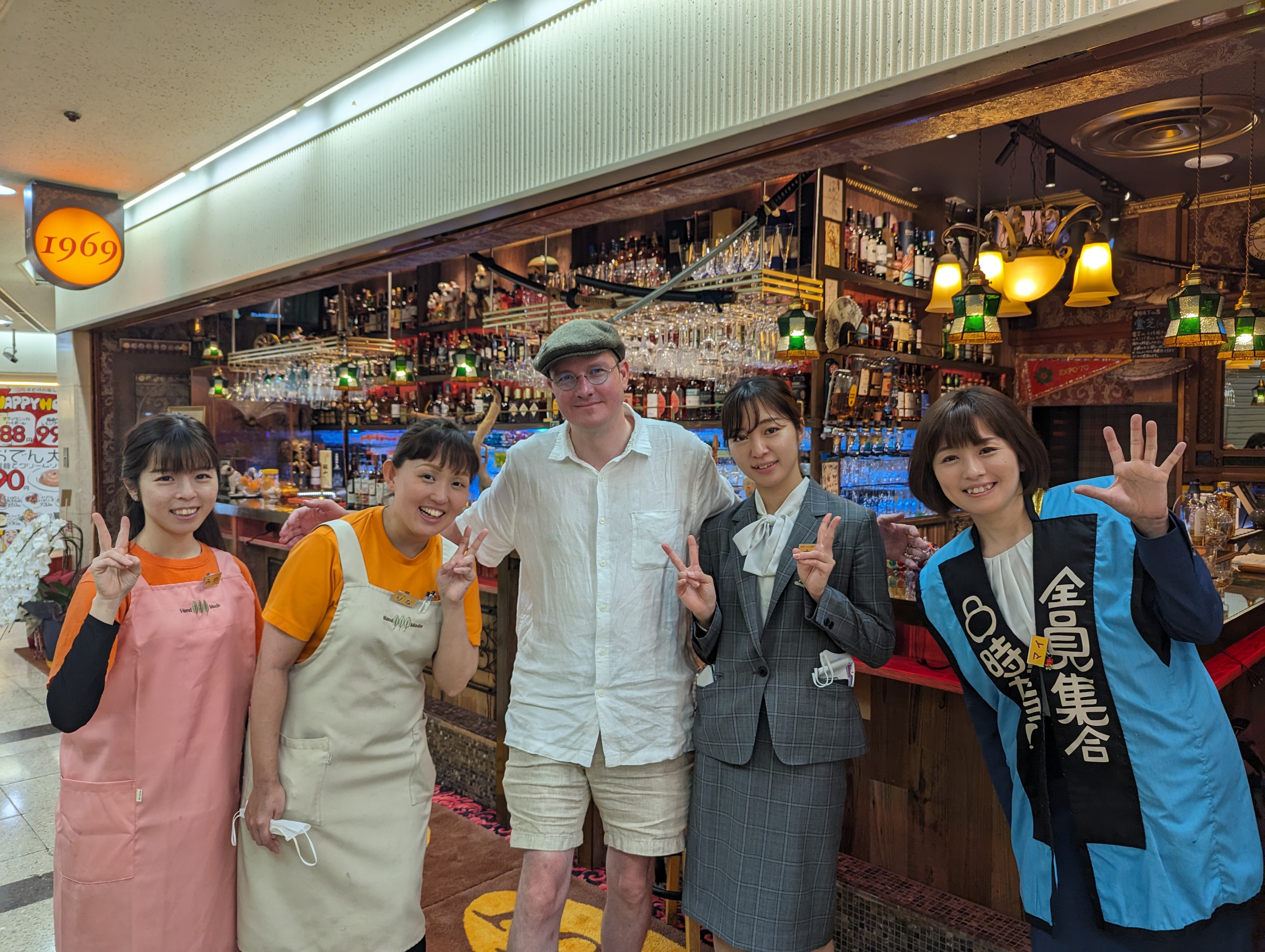
At closing every night, they end with their own sing-along to Onyanko Club's Ja~ Ne, inviting guests and passers-by to don costumes and join in the celebration of a future reunion.
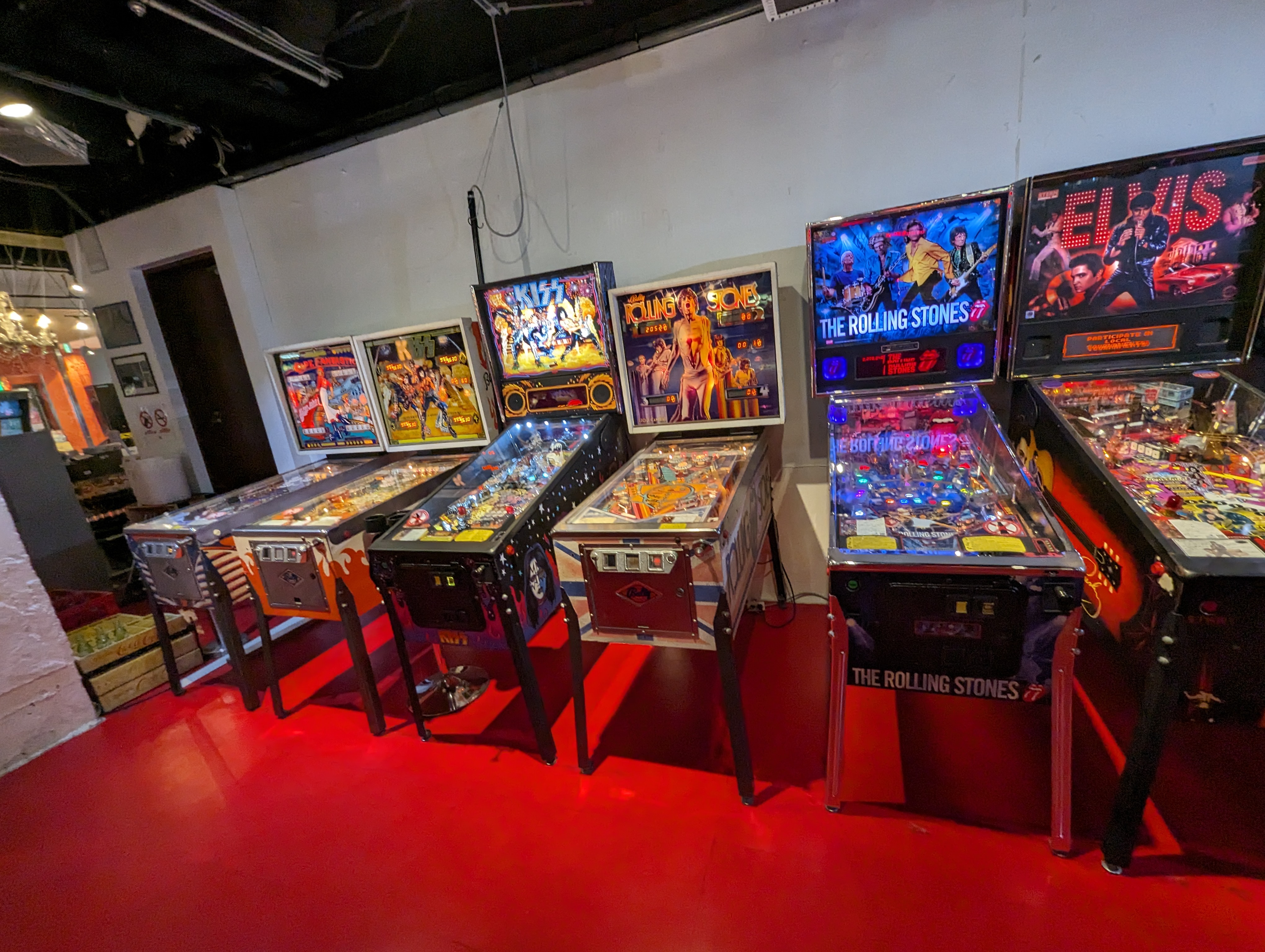
In the heart of this bustling city, I stumbled upon a pinball arcade that ignited a wave of nostalgia. The flashing lights, the satisfying thuds of flippers, and the competitive spirit in the air transported me back to my youth. It was a thrilling escape from the ordinary, a testament to the universal appeal of this timeless game. Osaka's pinball arcade was more than a leisurely pastime; it was a vivid reminder that joy knows no language barriers. Located a short walk from America Mura in Shinsaibashi, this is a must go if you love pinball.
Osaka was not only a canvas for new experiences but also a stage for heartwarming reunions. Four years ago, I crossed paths with a fellow traveler, who then was planning a trip to New York City. I gave him some pointers then and we shared stories of his trip to New York. It was a fortuitous meeting, a testament to the enduring connections forged through travel and common interest.
In the spirit of reunions, twenty years later and I found myself standing outside the familiar doors of K's Bar, a legendary jazz haunt that had stood the test of time. The owner, a stalwart figure in the jazz scene, welcomed me with open arms, as if no time had passed at all. In reality, he had no recollection of our time together all those years ago, but it didn't matter to me. The smooth melodies, the cozy ambiance, and the camaraderie of fellow music enthusiasts created a tapestry of comfort and nostalgia, reminding me of the enduring magic of places like K's Bar.
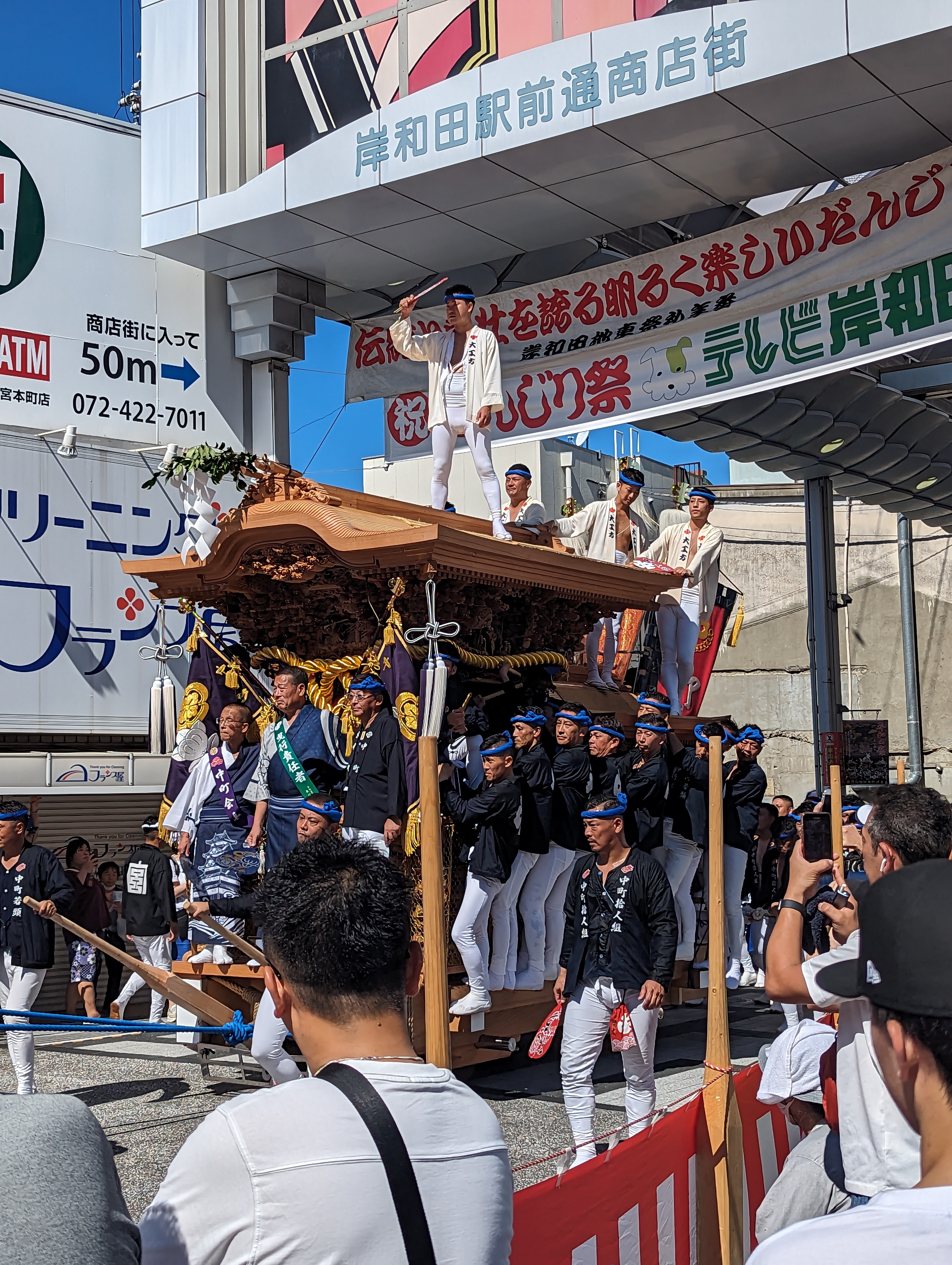
The Kishiwada Danjiri Festival stands as a vibrant testament to Japan's rich cultural tapestry. This annual extravaganza, dating back over three centuries, is a celebration of tradition, community spirit, and the sheer adrenaline rush of a unique sporting event.
With roots tracing back to the Edo period, the Kishiwada Danjiri Festival carries a weight of history that is felt in every beat of the festival's heart. The festival is centered around danjiri, intricately crafted wooden floats, adorned with vivid decorations and pulled through the streets of Kishiwada with awe-inspiring precision.
The danjiri are not merely inanimate objects; they are a symbol of unity and teamwork. Each float is manned by a dedicated group of locals, often divided into teams, who pour their heart and soul into guiding these behemoths through the narrow streets. The coordination required to navigate tight corners and avoid obstacles is a testament to the meticulous planning and collective effort that goes into this grand spectacle.
As the danjiri thunder through the streets, the air is charged with an electrifying energy. The shouts of the participants and the cheers of the onlookers create a symphony of excitement that reverberates through the town. The sight of these massive floats hurtling around corners, leaning precariously, is a heart-stopping display of skill and bravery.
While deeply rooted in tradition, the Kishiwada Danjiri Festival also embraces the present. The festival is a dynamic blend of ancient customs and contemporary enthusiasm. The infectious energy and excitement that permeate the event serve as a reminder that traditions can evolve and thrive, breathing new life into the fabric of a community.
In the end, the Kishiwada Danjiri Festival is more than a mere event; it is a living, breathing testament to the power of community, tradition, and the human spirit. It is a celebration of what can be achieved when people come together with a shared purpose, and a resounding affirmation that some things are truly timeless. For those fortunate enough to witness it, this festival leaves an impression that lingers long after the danjiri have returned to their resting places, a memory to be cherished for a lifetime.
Also in Osaka, I wandered through the distinct neighborhoods of Tenma and Nipponbashi's den den town, I reveled in the juxtaposition of old and new. Tenma's traditional market stalls and cozy eateries stood in contrast to the electronic wonderland of den den town, a haven for anime and tech enthusiasts. It was a vivid reminder that Osaka, like Japan itself, is a city of delightful contradictions, where history and innovation harmoniously coexist.
And with the Singapore Grand Prix unfolding on the screens at Motorsports Bar Mulsanne, I found myself immersed in the world of Formula 1. The adrenaline-pumping race, the strategic maneuvers, and the collective gasps of the crowd made for an unforgettable viewing experience. The bar's electric atmosphere united fans from different corners of the globe, a testament to the universal language of motorsports.
A visit to Koshien Stadium to witness the Hanshin Tigers in action was a pilgrimage for any baseball enthusiast. The fervor of the crowd, the spirited chants, and the palpable excitement were nothing short of awe-inspiring. It was a testament to the unbreakable bond between sports and community, where every swing of the bat carried the hopes and dreams of an entire city. Singing Rokko Oroshi along with the crowd fulfilled my 20 years of Tigers fandom. They won their league championship while I was in town and were off to the Japan Series with a strong wind behind them. The contrast between how American fans and Japanese fans cheer in baseball stadiums was stark. Japan cheered this way for every home team at-bat, while the visiting team had their own allocated section in the stadium to cheer for their batters.
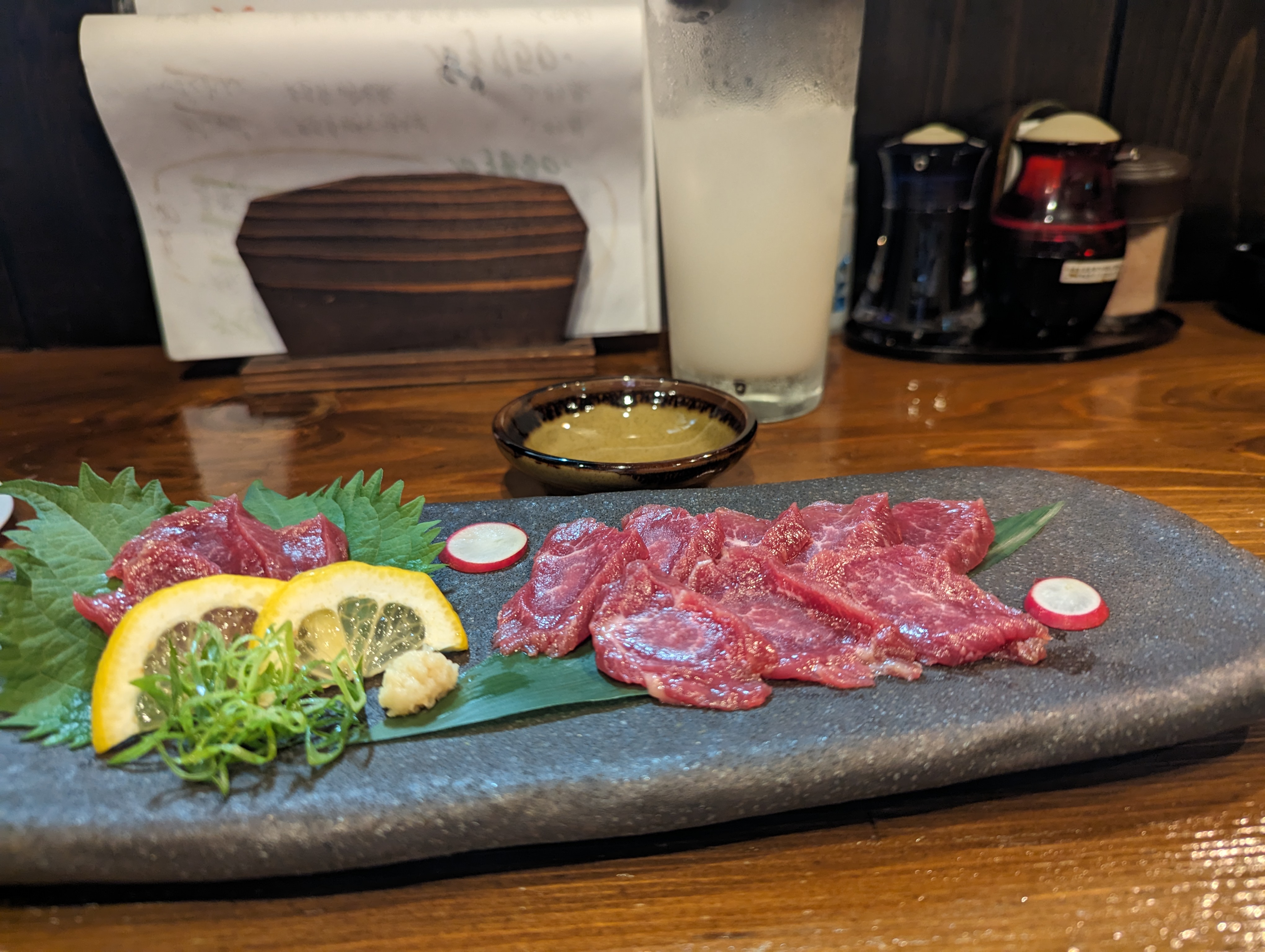
Alas, the week came to an end and there was one final reunion to be made. An izakaya I went to four years ago, where I missed an opportunity, due to my ignorance of the language, to eat something I had never eaten before.
In the cozy confines of Izakaya Furuya, I embarked on a culinary adventure that pushed the boundaries of my palate. Horse sashimi, a delicacy with deep roots in Japanese culinary tradition, graced my plate. The tender slices, offered a sensory experience that transcended the ordinary. It was a testament to the boundless creativity and diversity of Japan's culinary landscape.
As my time in Osaka drew to a close, I couldn't help but reflect on the kaleidoscope of experiences that had woven together to create a tapestry of memories. From the vibrant nightlife to the nostalgic reunions, from the thunderous cheers of Koshien Stadium to the subtle nuances of Izakaya Furuya and the warm welcome of 1969, each moment was a brushstroke in a portrait of a city that effortlessly marries tradition with the avant-garde. Osaka, with its magnetic energy and welcoming spirit, had etched its place in my heart forever.
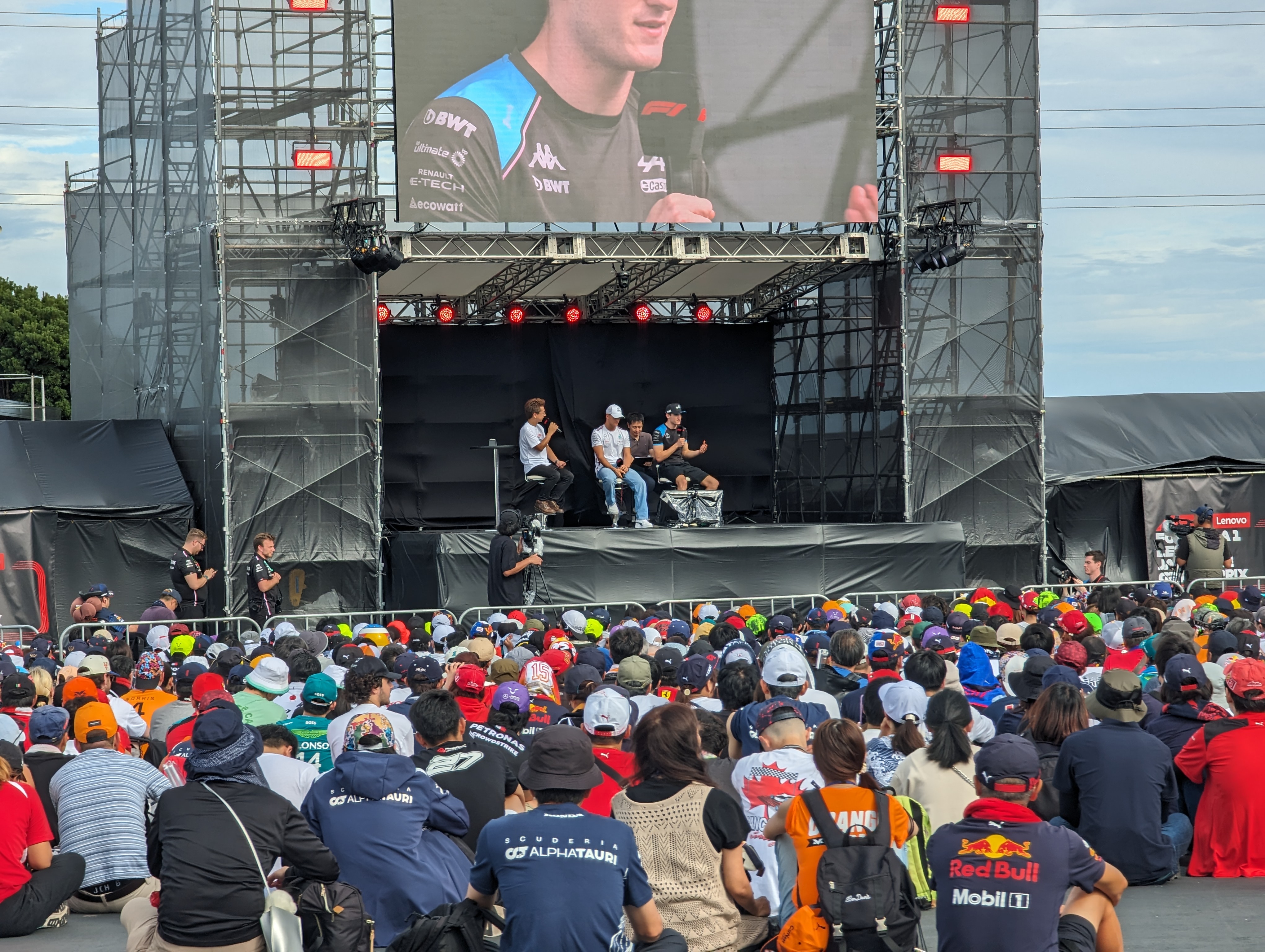
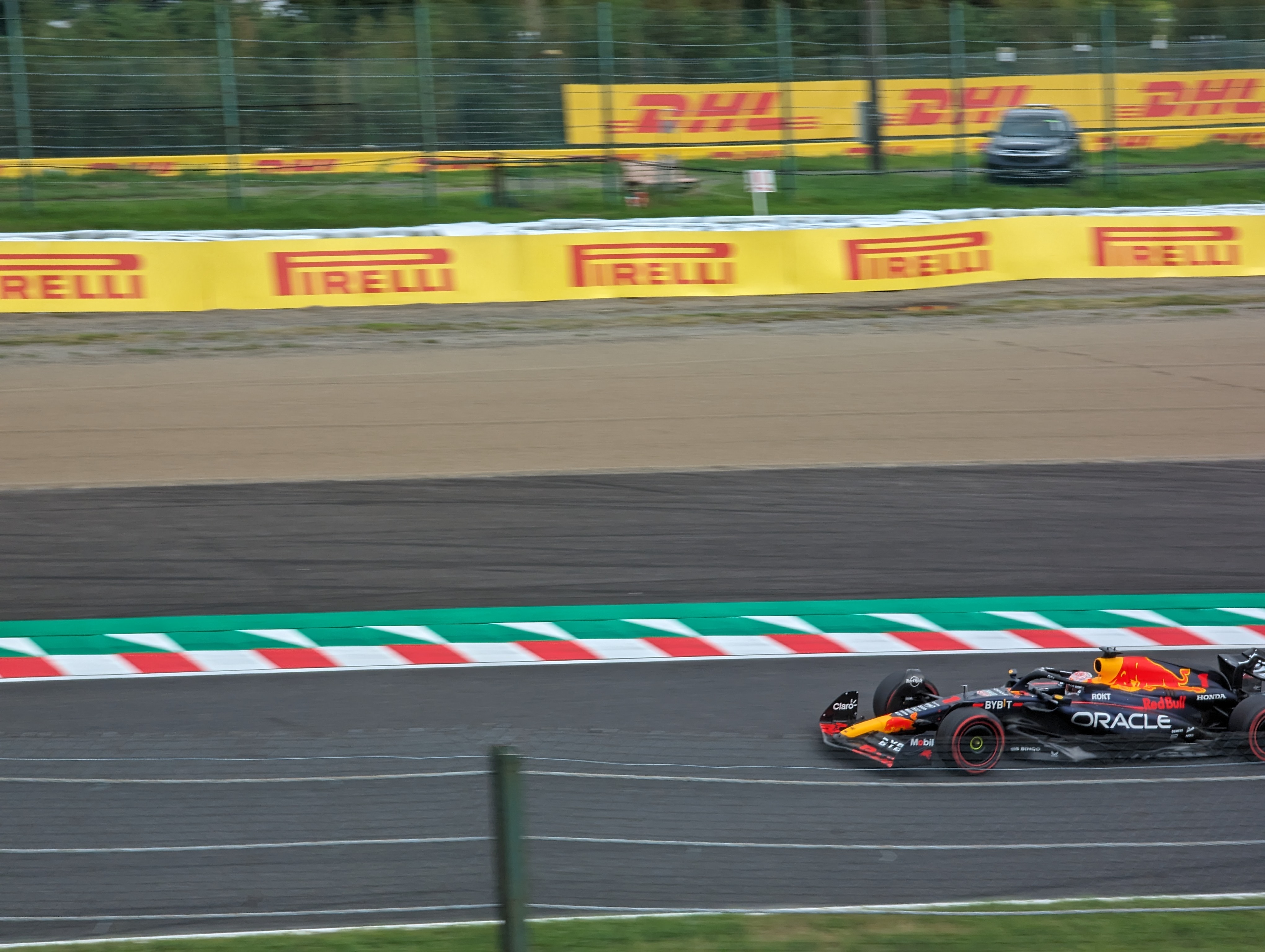
As I arrived at the famed Suzuka Circuit, the air was charged with an electrifying anticipation. Practice and qualifying days promised a taste of the adrenaline-pumping action that awaited. The roar of engines and the whiff of burnt rubber set the stage for what would be an unforgettable experience.
The Japanese sun bore down relentlessly, casting a searing heat over the circuit. The atmosphere was thick with excitement, but also with beads of perspiration glistening on the brows of enthusiasts from around the world. Navigating through the bustling crowds, I found myself in the midst of fervent fans, all eagerly soaking in the sights and sounds of this iconic racing event.
As the drivers pushed their machines to the limits during qualifying sessions, the Suzuka Circuit came alive with a symphony of roaring engines and screeching tires. The intensity on the track was palpable, each lap a heart-pounding battle for the coveted pole position. It was a spectacle of skill, precision, and raw speed, leaving us all in awe of the incredible talent on display.
As race day dawned, the heat intensified, and the crowd swelled to an even greater magnitude. However, faced with the combination of blistering temperatures and the sheer density of fellow enthusiasts, I made the tough decision to seek refuge from the elements. Opting for the comfort of a western-style tavern, I settled in with a sense of contentment, knowing that I could still witness the grand finale in style.
I learned a new Japanese word on this trip - Mushiatsui - roughly translated as sultry. The humidity and temperature are similar to my homeland, but the impact it had on me was staggering.
From the tavern's cool interior, I watched the race unfold on a screen that brought every twist and turn of the track to life.
While I may not have felt the thunderous vibrations of the engines reverberate through my bones on race day, my decision to watch from the comfort of the tavern provided a unique perspective on the event. It allowed me to appreciate the intricacies of the race, to dissect strategic moves, and to revel in the thrill of each overtaking maneuver.
In the end, my Suzuka Circuit adventure was a testament to the adaptability of a true racing enthusiast. Sometimes, the best vantage point isn't the one with the grandstand view, but the one that offers a different angle on the action. As the sun set over Suzuka, casting a golden hue on the circuit, I left with a heart full of memories and a newfound appreciation for the many ways we can experience the magic of motorsport.
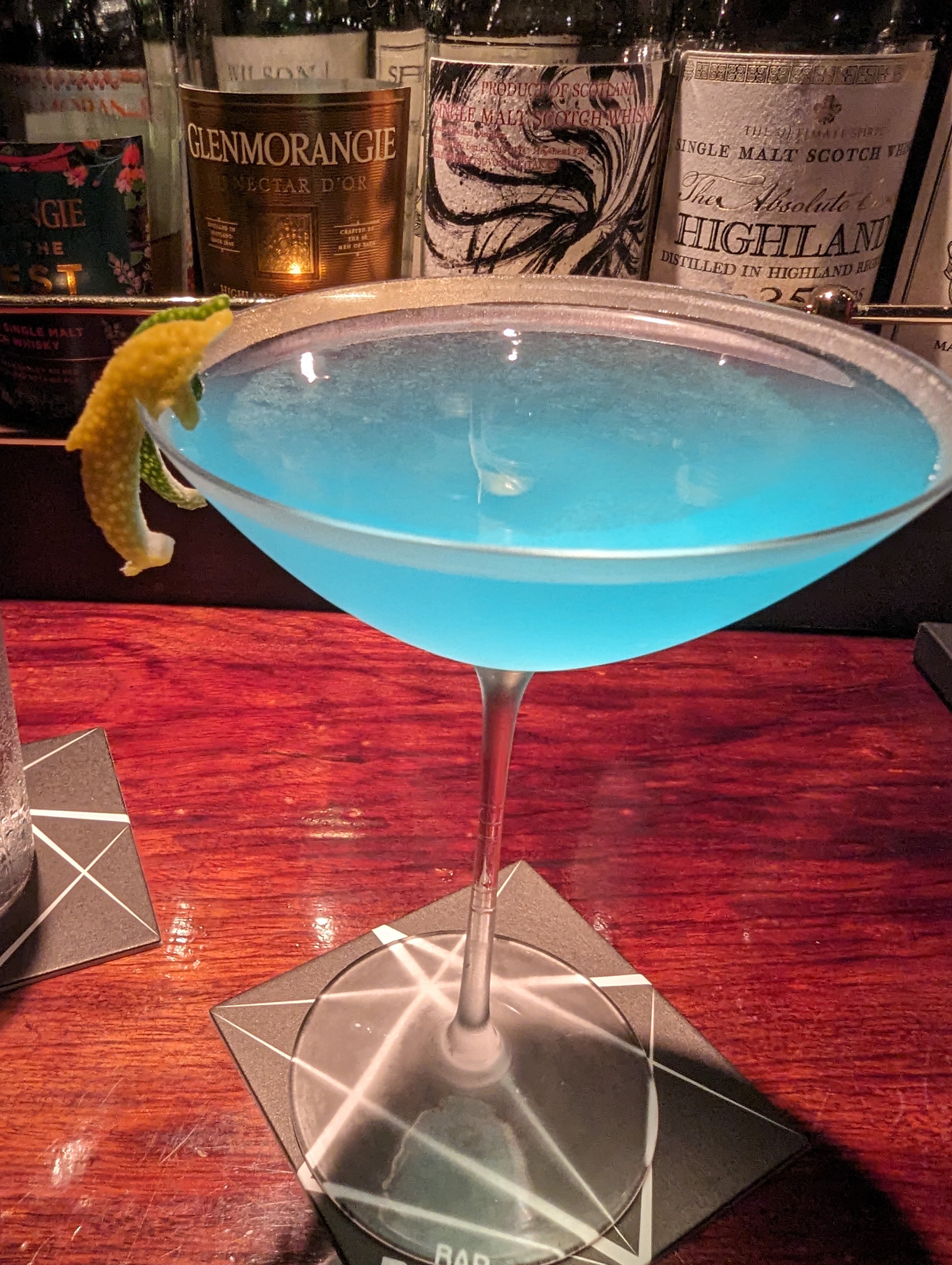
While in Nagoya, my base of operations for the F1 weekend, I enjoyed Bar Barnes, a famous cocktail experience in the area and rumored to be the best in town. The owner/bartender personally created a unique cocktail based on my desires. An experience recently lacking at home. A mix of rum and some rare cordials, it was exactly what I was asking for.
Alas, it was time to make my way back to Tokyo and then on to Haneda to voyage home. Another long flight to end this lovely trip.
Conclusion
In retrospect, my whirlwind adventure through Japan was a testament to the power of spontaneity and the magic that unfolds when we seize the moment. From the reverent traditions of Tokyo's Sumo tournament to the thunderous cheers of Koshien Stadium and the heart-pounding speed of Suzuka Circuit, every moment was a brushstroke on the canvas of an unforgettable journey.
As I reflect on these experiences, I am reminded that sometimes, the most cherished memories are born from impulsive decisions and unexpected detours. Japan, with its seamless blend of tradition and innovation, provided the perfect backdrop for a voyage that will forever hold a special place in my heart and one I hope to revisit soon.